
Making Friends | 2026-04-24
How to Make Friends in a New City
Moving to a new city can open up new opportunities, but it can also make everyday life feel unfamiliar and isolating at first. Without old routines, familiar faces, or built-in social circles, making friends often takes more intention than people expect. What once happened naturally through school, work, or long-term proximity may now require more active effort.
The good news is that learning how to make friends in a new city is something you can approach practically. From finding the right places to meet people to turning casual encounters into lasting connections, there are clear steps that can make the process feel less overwhelming. This guide explains what usually makes friendship harder after a move, where to meet new people, and how to build real connections over time.
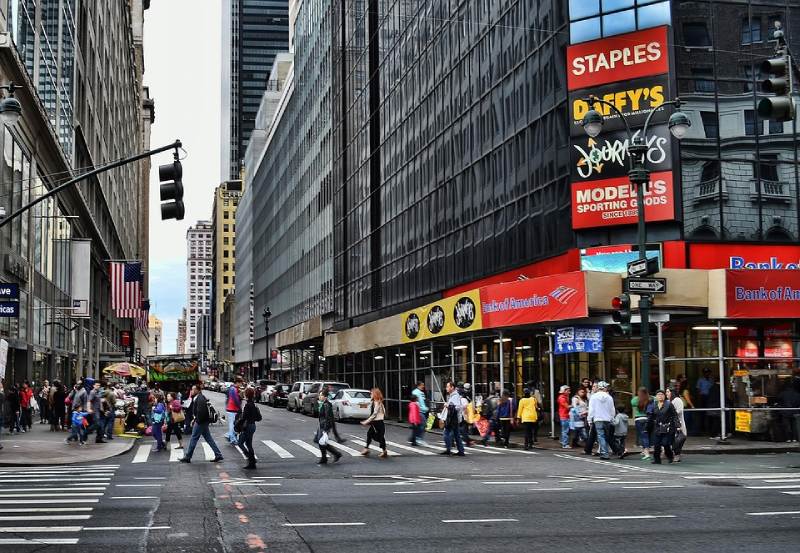
What Usually Stops People From Making Friends After Moving
Making friends after moving to a new city is often harder than people expect. The challenge is not always a lack of willingness. More often, it comes from the fact that the social conditions that once made friendship easier are no longer there. Familiar routines disappear, emotional energy gets stretched, and even simple social steps can feel less natural in a new environment. Understanding these barriers can make the process feel less personal and more manageable.
Lack of Natural Proximity and Routine
One of the biggest reasons friendship feels harder after a move is the loss of natural proximity. In familiar places, people often build connection simply by seeing the same faces again and again, whether at work, school, the gym, or neighborhood spots. That repeated contact creates familiarity without much effort.
After moving, those built-in routines are gone. Even if the new city offers many opportunities, you may no longer have regular spaces where social interaction happens naturally. Without seeing the same people often enough, it becomes much harder for casual contact to grow into real friendship.
Psychological and Emotional Barriers
Moving can also bring emotional pressure that makes friendship harder to pursue. Loneliness, uncertainty, homesickness, and self-consciousness often affect people more than they expect. Even when someone wants connection, they may feel drained or hesitant about putting themselves out there again.
There is also the fear of rejection. Starting over socially can make small interactions feel more significant than they really are. A delayed reply, a declined invitation, or a polite but distant conversation can feel discouraging when you are already hoping for belonging. That sensitivity can cause people to pull back too early, even when connection might have grown with a little more time.
Social and Environmental Factors
The social environment of a new city can also shape how easy or difficult it feels to make friends. Some cities are fast-paced, highly individualistic, or built around existing friend groups, which can make newcomers feel like everyone already has their circle. Even when people are friendly, they may not always be open to deeper connection right away.
Lifestyle patterns matter too. If people spend much of their time commuting, working long hours, or staying within private routines, there may simply be fewer natural openings for friendship. In these situations, making friends can feel harder not because people are unfriendly, but because the environment offers fewer low-pressure ways to build real familiarity.
Logistical and Practical Challenges
Practical issues can create barriers as well. Long commutes, unfamiliar neighborhoods, demanding work schedules, financial pressure, and the general effort of settling into a new place can leave little time or energy for social life. Even when opportunities exist, it may be hard to attend events regularly or stay consistent enough for new relationships to grow.
There is also the challenge of starting from zero. In a familiar city, people often rely on existing networks, recommendations, or mutual friends to meet others. After moving, that social infrastructure may be missing. As a result, even simple things like knowing where to go, which spaces feel welcoming, or how to meet people nearby can take more effort than expected.
Best Places to Make Friends in a New City
When you move to a new city, meeting people becomes easier when you stop thinking only in terms of finding friends and start thinking in terms of finding repeatable social spaces. Friendship usually grows through familiarity, not one-time effort. That means the best places to meet people are often the ones where you can show up regularly, share some common ground, and let interaction build naturally over time.
Local Classes, Clubs, and Community Events
Classes, clubs, and community events are often some of the best places to start because they give people a reason to gather beyond socializing alone. That shared structure makes conversation feel less forced. Instead of inventing connection from nothing, you already have something in common: the activity, the setting, or the reason for being there.
Good examples include:
- Fitness classes or yoga studios
- Art, music, or language courses
- Book clubs or hobby meetups
- Volunteer programs
- Neighborhood markets or local festivals
- Workshops hosted by community centers or libraries

These settings work well because they create repeated exposure. Seeing the same people more than once lowers social pressure and makes future interaction feel more natural.
Cafés, Gyms, and Other Everyday Third Places
Not every friendship has to begin in an organized group. In many cases, everyday places can be just as useful, especially when they become part of your routine. Cafés, gyms, dog parks, co-working spaces, and neighborhood spots can all function as third places, meaning social environments outside home and work where people naturally cross paths.
These places are valuable because they offer:
- Repeated contact with familiar faces
- Low-pressure opportunities for small talk
- A sense of neighborhood belonging
- More natural interaction than formal networking settings
The key is consistency. Going to the same café on weekend mornings or visiting the same gym at similar times makes you more recognizable over time. That familiarity often creates the opening for small conversations.

Apps and Online Platforms to Meet New People Nearby
Online platforms can also be useful when you are new to a city, especially in the early stage when you do not yet know where to go or who is nearby. They can make the first step feel easier by helping you start conversations before you already have a social routine in place.
Platforms like Livuapp.com can help by making it easier to:
- Meet new people nearby
- Start casual conversations more quickly
- Build initial comfort before meeting in person
- Stay socially active while adjusting to a new environment
That said, the platform itself is only part of the process. What matters most is how you use it. Online spaces work best when they lead to consistent interaction, shared interests, and a gradual sense of familiarity. In that sense, they work best as a bridge toward real-life connection, not a replacement for it.
The best places to make friends in a new city are usually not the most impressive or the most crowded. They are the places where you can return often, feel comfortable enough to engage, and give connection enough repetition to grow.
How to Turn Casual Encounters Into Real Friendships
Meeting people in a new city is only the beginning. The harder part is turning a pleasant conversation, a familiar face, or a shared activity into an actual friendship. In most cases, that shift does not happen automatically. It usually takes initiative, consistency, and a willingness to move beyond surface-level contact.
The good news is that friendship often grows through small, repeatable actions rather than one big moment. What matters most is creating enough warmth, familiarity, and follow-through for the connection to develop naturally.
Use the Three-Invitation Rule
One helpful way to think about early friendship is the three-invitation rule. Instead of assuming a connection is going nowhere after one declined plan or one vague reply, give it a little more room. People are often busy, distracted, or slow to respond, especially in adulthood. A single no does not always mean lack of interest.
The idea is simple:
- Invite someone to something low-pressure
- If the timing does not work, try again another time
- After a few attempts, pay attention to whether the effort feels mutual
This approach helps you stay proactive without overinvesting too quickly. It also gives the other person enough space to respond with real interest. If someone never reciprocates, you have your answer without needing to take it too personally.
Establish Recurring Rituals
Friendship becomes much easier when interaction stops depending on random timing. That is why recurring rituals can matter so much. A repeated plan creates structure, and structure helps closeness grow.
Simple examples include:
- Grabbing coffee after a weekly class
- Going for a walk every Sunday morning
- Joining the same trivia night or workout session
- Checking out a local market once a month
- Keeping a regular video or voice catch-up if the friendship starts online
These rituals do not need to be formal. What matters is that they make future contact feel easier and more natural. Instead of constantly having to restart the connection, you create a rhythm that keeps it alive.
Initiate Deeper Conversations
A lot of casual encounters stay casual because the conversation never moves beyond logistics, small talk, or the immediate setting. That level of interaction is useful at first, but friendship usually needs a little more depth to grow.
That does not mean becoming intensely personal too quickly. It means asking questions that open space for more real exchange. For example, you can ask things like:
- “What brought you to this city?”
- “What have you liked most here so far?”
- “What do you usually do on weekends?”
- “Have you always been into this, or did you get into it recently?”
Questions like these still feel natural, but they reveal more about the person behind the conversation. They also make it easier to notice shared interests, similar values, or possible next steps for spending time together again.
Show Vulnerability
Friendship usually grows when both people feel safe enough to be a little more real. That is where vulnerability matters. You do not need to overshare, but being willing to show some honesty makes connection feel more human.
That can look like:
- Admitting that you are still adjusting to the new city
- Saying that you do not know many people yet
- Sharing that you have been trying to get out more
- Being honest about what you enjoy, miss, or find challenging
This kind of openness often gives the other person permission to be more open too. It shifts the interaction from polite conversation into something warmer and more genuine.
Leverage Shared Interests
Shared interests can help turn casual encounters into real friendships because they create an easy reason to keep interacting. When two people already enjoy something similar, the next invitation feels more natural and less forced.
Useful ways to build on shared interests include:
- Suggesting a related event, class, or meetup
- Sending a recommendation connected to something you discussed
- Inviting them to do the activity again together
- Following up with a simple message about the shared topic
For example, if you both like books, you can mention a local bookstore event. If you both enjoy hiking, you can suggest trying a trail nearby. If you met through a class or hobby group, you already have a built-in reason to reconnect.
In the end, casual encounters become real friendships when there is enough repeated contact, enough mutual effort, and enough willingness to go one step beyond small talk.
Practical Tips for Making Friends in a New City
Making friends in a new city is rarely about doing one thing perfectly. More often, it comes down to mindset, consistency, and how you respond when things do not immediately turn into connection. A few practical habits can make the process feel less discouraging and more sustainable over time.
Reciprocity Matters
Not every promising interaction will become a real friendship, and that is normal. One helpful thing to watch for is reciprocity. Friendship does not require equal effort at every moment, but it does need some level of mutual interest. If you are always the one starting conversations, suggesting plans, or following up, it is worth noticing whether the other person is also making space for the connection.
Signs of reciprocity often include:
- They respond with warmth rather than only politeness
- They ask questions back instead of only answering yours
- They follow up after meeting or seem open to meeting again
- They suggest plans, alternatives, or another time if something does not work out
Paying attention to reciprocity helps you invest your energy more wisely. It keeps you open without pushing too hard in places where the interest is not really mutual.
Don’t Take Rejection Personally
Rejection can feel heavier when you are new to a city because social connection may already feel more emotionally important. A declined invitation, a slow reply, or a conversation that never goes anywhere can seem like proof that something is wrong. In most cases, though, it is not that personal.
People may already have full schedules, existing friend groups, emotional stress, or limited social energy. Sometimes they are friendly but not available. Sometimes the timing is simply off. That does not mean you are doing anything wrong, and it does not mean future connections will go the same way.
A healthier way to interpret these moments is:
- Not every good interaction is meant to become a friendship
- Lack of momentum does not always mean lack of value
- One person’s response is not a judgment of your likability
- The process works better when you keep moving instead of overanalyzing one outcome
The more you can separate your self-worth from individual social outcomes, the easier it becomes to stay open and keep trying.
Be Patient
One of the most important things to remember is that friendship usually takes longer than people expect. In a new city, it can be easy to feel like everyone else is already settled while you are still trying to figure things out. But most meaningful friendships do not happen instantly. They tend to grow through repeated contact, small acts of trust, and familiarity built over time.
Patience matters because:
- Connection usually deepens gradually, not all at once
- Repeated interaction often matters more than one strong first impression
- Many early acquaintances need time before they feel like real friends
It helps to focus less on immediate results and more on building a life that makes friendship more likely. Keep showing up, keep saying yes to the right opportunities, and keep giving promising connections room to develop.
Final Thoughts on How to Make Friends in a New City
Making friends in a new city can feel slow at first, but that does not mean progress is not happening. In most cases, friendship grows through repeated contact, small efforts, and a willingness to keep showing up.
Focus less on instant closeness and more on creating the conditions where connection can grow. With time, consistency, and a little initiative, a new city can gradually start to feel much more like home.
FAQ
How Long Does It Take to Make Friends in a New City?
There is no fixed timeline, but in most cases, real friendship takes time. Meeting people can happen quickly, while building trust and familiarity usually takes weeks or months of repeated interaction. The important thing is not to judge the process too early.
Is It Normal to Feel Lonely After Moving to a New City?
Yes, that is very normal. Moving often disrupts routine, familiarity, and social support all at once. Even if the move was exciting or necessary, loneliness can still be part of the adjustment period. Feeling that way does not mean you made the wrong decision. It usually means you are still in the process of building a new sense of belonging.
Can Apps Really Help You Make Friends in a New City?
They can, especially when they help you start conversations and meet people nearby more easily. Apps work best when they support regular interaction and make it easier to move from casual contact to more consistent connection. They are usually most effective as a starting point, not as the entire friendship process.
What Should I Do If I Keep Meeting People but Nothing Becomes a Friendship?
That often means the connection is not getting enough repetition or follow-through. Instead of only meeting more people, focus on building more continuity with the ones who seem promising. Follow up, invite them to something simple, and look for ways to see them again in a setting that feels natural.
How Many New People Should I Try to Meet Each Week in a New City?
There is no ideal number, and trying to force a target can make the process feel exhausting. It is usually better to focus on consistency than volume. Meeting a few people in a repeatable way often works better than constantly chasing new introductions without enough follow-up.


