
Conversation Topics | 2026-05-20
How to Overcome Social Anxiety: Practical Strategies for Confidence

Social anxiety, also known as social phobia, is a common mental health challenge that affects millions of people worldwide. It can make everyday interactions—like speaking in a group, meeting new people, or even using social media—feel overwhelming and stressful.
The good news is that social anxiety can be managed and gradually overcome with the right strategies. In this article, we’ll explore practical, science-based methods to help you build confidence, reduce fear in social situations, and start connecting with others more comfortably. From understanding the root causes and symptoms to applying cognitive behavioral techniques, daily exercises, lifestyle adjustments, and professional support, this guide provides actionable steps to take control of social anxiety today.
Understanding Social Anxiety: Causes and Symptoms
Social anxiety, or social phobia, is a condition where everyday social interactions cause intense fear, worry, or self-consciousness. It is often linked to a combination of genetics, personal experiences, and learned behaviors. Common symptoms include sweating, trembling, rapid heartbeat, overthinking, and avoiding social situations. Understanding the root causes is key to managing anxiety effectively.
Cognitive Behavioral Therapy (CBT)
Cognitive Behavioral Therapy (CBT) is a scientifically supported approach to treat social anxiety. It helps identify negative thought patterns and replace them with more balanced, realistic perspectives. CBT usually involves:
- Recognizing automatic thoughts that trigger anxiety
- Challenging negative beliefs about social situations
- Gradually practicing feared situations in a controlled way
- Tracking progress and reflecting on improvements
By working with a therapist or following structured CBT exercises, people can reduce fear and build confidence in social interactions.
Practical Exercises for Exposure
Exposure exercises gradually introduce you to social situations, helping your brain adapt and reduce the anxiety response. The goal is to start small and progressively face more challenging interactions.
Start a Conversation
Begin with low-pressure interactions to build confidence:
- Greet a neighbor or coworker
- Ask a simple question in a store
- Practice short small-talk exchanges
This helps you get used to initiating conversations without overthinking.
Practice in Public
Spending time in public spaces can normalize being around others:
- Visit a café or park for a short period
- Observe or lightly engage with people around you
- Gradually increase the length and complexity of your public exposure
This exercise helps reduce avoidance behaviors common in social anxiety.
Use Follow-Up Questions
Maintaining a conversation is often a challenge. Using follow-up questions can make interactions smoother:
- Ask open-ended questions about someone’s day or interests
- Respond to answers with curiosity instead of overthinking
- Practice keeping dialogue flowing naturally
This helps reduce the pressure of “saying the right thing” and encourages natural social engagement.
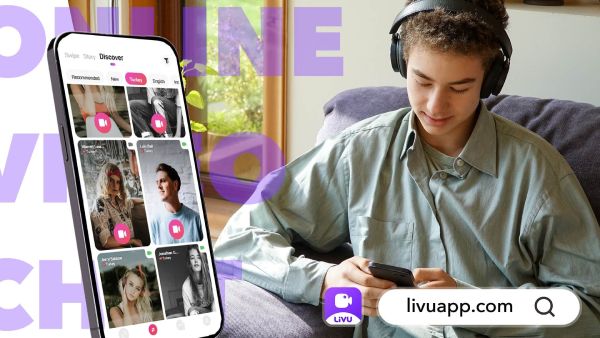
Use Online Chat App
Low-pressure digital interaction can prepare you for in-person conversations:
- Engage in short online chats or messaging groups, such as those on livuapp.com
- Join discussion forums or social interest groups
- Use these exchanges to practice tone, timing, and confidence
Online exposure on platforms like livuapp.com helps you gain social skills in a controlled, less intimidating environment before tackling real-life interactions.
Lifestyle Adjustments That Reduce Social Anxiety

In addition to therapy and exposure exercises, daily lifestyle habits play a crucial role in managing social anxiety. Small, consistent changes in your routine can help reduce overall stress, improve mood, and support confidence in social situations.
Regular Exercise and Physical Activity
Physical activity is a natural way to reduce anxiety. Exercise helps release endorphins, improve sleep quality, and decrease muscle tension, all of which contribute to lower social anxiety levels. Effective options include:
- Aerobic exercises: Running, swimming, cycling, or brisk walking
- Strength training: Bodyweight exercises, weightlifting, or resistance bands
- Group classes or sports: Yoga, dance, or team sports can also improve social comfort in low-pressure environments
Even short daily sessions of 20–30 minutes can make a noticeable difference over time.
Healthy Diet and Sleep Management
Nutrition and sleep directly affect your mental health and emotional regulation:
- Balanced diet: Focus on fruits, vegetables, whole grains, lean protein, and healthy fats
- Limit stimulants: Reduce excessive caffeine or sugar, which may worsen anxiety
- Sleep hygiene: Maintain a consistent sleep schedule, avoid screens before bed, and create a calm sleeping environment
Good sleep and diet improve energy, focus, and resilience to social stress.
Meditation and Breathing Exercises to Relieve Tension
Mindfulness practices can help calm the mind and reduce anxiety symptoms during social interactions:
- Deep breathing exercises: Inhale for 4 counts, hold for 4, exhale for 6, repeat several times
- Progressive muscle relaxation: Tense and relax different muscle groups to release stress
- Guided meditation or mindfulness apps: Short daily sessions (5–10 minutes) can train the mind to stay present
Integrating these practices into your daily routine can make social situations feel more manageable and reduce anticipatory anxiety.
Professional Support and Therapy Options
For individuals experiencing moderate to severe social anxiety, professional guidance can provide structured support and faster progress. Combining therapy, medical advice, and community support often yields the best results.
The Role of Mental Health Counselors and Therapists
Licensed therapists and counselors are trained to help individuals identify triggers, understand underlying causes, and develop coping strategies. Common approaches include:
- Cognitive Behavioral Therapy (CBT): Helps challenge negative thought patterns and encourages gradual exposure to social situations
- Talk therapy: Provides a safe space to discuss fears, experiences, and progress
- Individual or group sessions: Group therapy offers practice in a controlled social environment
Working with a professional ensures that exercises and strategies are personalized and evidence-based.
Medication Assistance (Such as SSRIs) and Its Precautions
For some people, medication can help reduce the physiological symptoms of social anxiety, making therapy and daily practice more effective. Common options include:
- SSRIs (Selective Serotonin Reuptake Inhibitors): Often prescribed to reduce anxiety and improve mood
- Other anxiolytics: Sometimes used for short-term relief in specific situations
It is important to consult a qualified physician before starting any medication, follow dosage instructions carefully, and monitor for side effects. Medication is most effective when combined with therapy, not used in isolation.
Support Groups and Online Social Anxiety Communities
Peer support can normalize experiences and provide encouragement:
- In-person support groups: Offer regular meetings to share strategies, practice social skills, and build confidence
- Online communities: Allow anonymous interaction, advice sharing, and practice in a low-pressure environment
- Hybrid approaches: Some groups offer both online and offline activities for flexibility
Connecting with others who understand social anxiety helps reduce isolation and reinforces the practical techniques learned in therapy and exposure exercises.
Conclusion: Steps to Start Overcoming Social Anxiety Today
Overcoming social anxiety is a gradual process that combines understanding your triggers, practicing exposure, making lifestyle adjustments, and seeking professional support when needed. Start with small, manageable steps—like initiating brief conversations, using breathing exercises, or participating in low-pressure social settings—and gradually build your confidence. By consistently applying practical strategies and seeking help when necessary, you can improve social interactions and gain more comfort in everyday life.
FAQ
How long does it take to overcome social anxiety?
The time varies by individual. Some people notice improvement in a few weeks with consistent practice and support, while others may take several months of therapy and exposure exercises to feel significantly more confident.
Can social anxiety go away on its own?
Mild social anxiety can sometimes decrease naturally over time, but persistent anxiety usually benefits from structured strategies, lifestyle adjustments, or professional support to prevent it from interfering with daily life.
Is social anxiety the same as being shy?
No. Shyness is a personality trait and usually temporary in social situations, while social anxiety is a mental health condition that causes intense fear or avoidance and can impact work, school, and relationships.
What should I do when social anxiety happens suddenly?
Use grounding techniques such as deep breathing, focusing on your surroundings, or slowly stepping back from the situation. These methods can reduce immediate anxiety and help you regain control.
Can online communication help with social anxiety?
Yes. Online interactions offer a lower-pressure environment to practice social skills, engage with others, and build confidence before moving to face-to-face situations. It can complement real-life exposure exercises.


