
Making Friends | 2026-06-23
Chatbot vs Live Chat: Why Real Human Conversations Still Matter Online

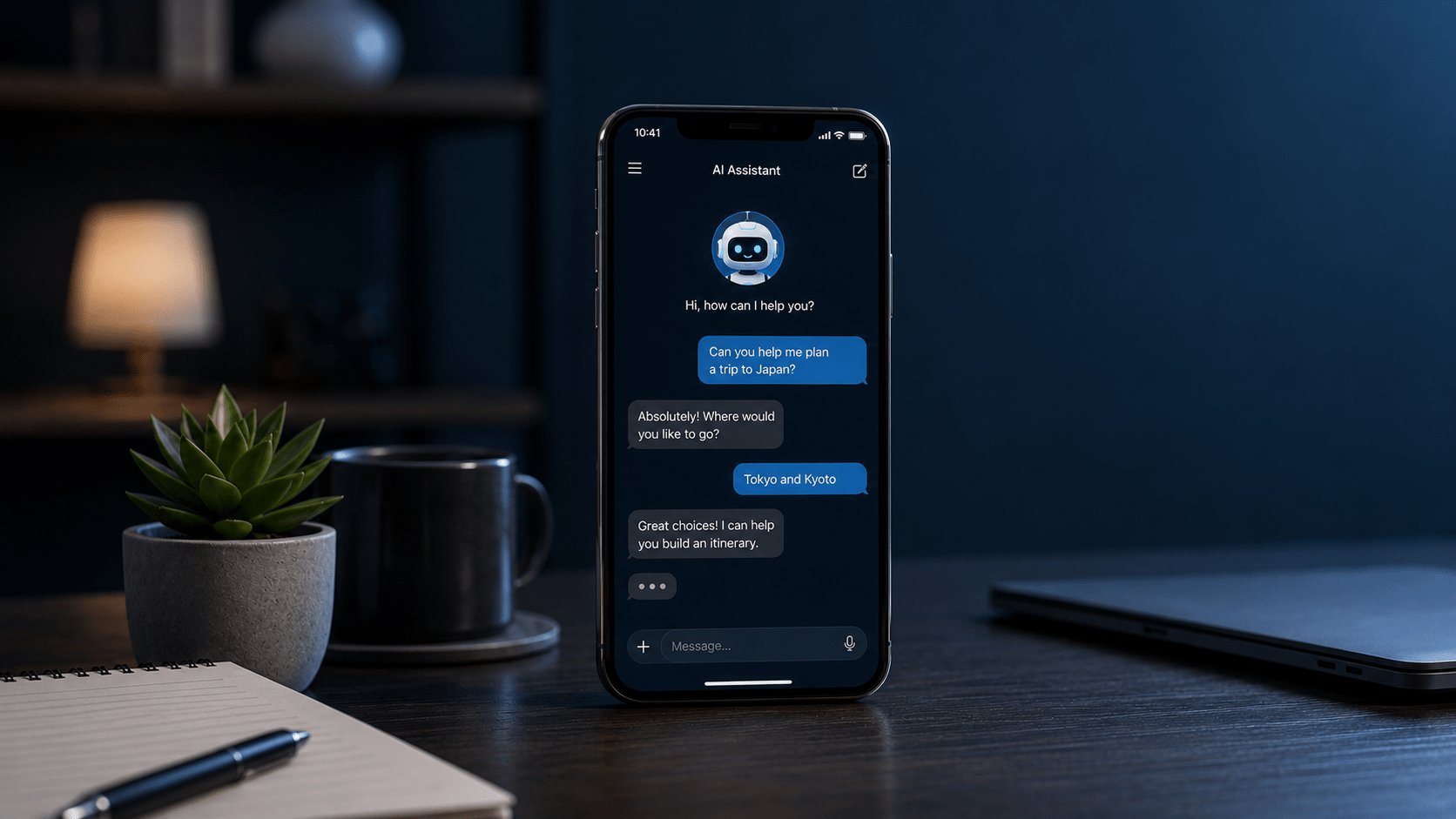
Chatbots can make online chat faster, but they cannot fully replace real human conversations. A bot can reply instantly, guide people through simple steps, or keep an app active. But when people go online to meet someone, share feelings, or build trust, they usually want more than a quick answer.
Human conversations still matter because they include emotion, context, timing, and natural reactions. These details make online communication seem less mechanical and more personal. When people know there is an actual person on the other side, they are more likely to trust the exchange and keep it going.
Why Some Online Chat Apps Use Bots Instead of Real People
Many online chat apps use bots because automation is easy to scale. Bots can answer at any time, handle many conversations at once, and fill quiet moments when fewer people are online.
This can work well for support or basic guidance. The problem starts when automation is used to make a platform look more active than it really is.
Bots Help Platforms Fill Conversation Gaps
Online chat apps often have people joining from different time zones. At some hours, there may not be enough active people available to reply. Bots can fill these gaps by sending greetings, asking basic questions, or keeping the screen active.
This may stop people from leaving too quickly. However, filling space is not the same as creating a genuine connection. A bot can keep the conversation window moving, but it cannot listen, react, or build trust in the same way a person can.
Automated Replies Can Keep Users Engaged
Automated replies can help new users get started. They may suggest topics, explain app features, or answer simple questions. In customer support, this can save time and reduce waiting.
In social chat apps, the goal is different. People are not only looking for information. They want interaction with someone who can understand the moment. Automated replies may start a conversation, but they often struggle to make it feel alive.
Fake Activity May Hurt User Trust
Bots become a problem when they are used to imitate real people. If someone thinks they are chatting with a person but later notices the replies are fake, trust can disappear quickly.
Once trust is lost, people may question every message they receive. Even genuine conversations may start to seem suspicious. For online chat apps, fake activity can damage the user experience more than slow replies.
Why Real Human Chat Feels More Natural and Personal
Human live chat feels different because people do not follow fixed scripts. They react to details, change tone, ask follow-up questions, and share their own thoughts.
Small imperfections often make a conversation seem more genuine. A pause, a laugh, or a personal reply can show that someone is actually present.
Real People Respond With Emotion and Context
Human replies are shaped by emotion and context. If someone shares a funny story, a real person may laugh, ask what happened next, or share a similar experience. If someone sounds tired, the other person may respond more gently.
A bot may catch keywords, but it can miss the deeper meaning behind a message. For example, “I had a long day” may not only mean someone is tired. It may also be a quiet way to ask for comfort, attention, or a more personal response.
Human Conversations Feel Less Scripted
Human conversations do not always move in a straight line. People change topics, react unexpectedly, make jokes, or pause to think. This natural rhythm helps the interaction feel less scripted.
Compared with fixed scripts or automatic replies, a live video chat platform like LivU puts more weight on real-time interaction. Through video, voice, tone, and instant reactions, people can sense whether the other person is actually present. The experience feels closer to a live conversation, not just a message exchange that looks active.
Shared Reactions Make Chat More Meaningful
Shared reactions can turn a simple exchange into something more memorable. When two people laugh at the same thing, respond to a story, or notice the same detail, the interaction starts to feel more personal.
This is especially clear in live video chat. Facial expressions, timing, and tone help people understand each other beyond words. These natural reactions are difficult for bots to copy in a convincing way.
The Limits of Bots in Building Trust and Emotional Connection
Bots can be helpful, but they have clear limits. Fast replies do not always create trust. In personal chat, people often care more about whether the response seems genuine than whether it arrives instantly.
This is where bots can fall short. They may handle basic exchanges, but emotional connection needs flexibility, attention, and a sense that someone is truly listening.
Bots Struggle With Nuance and Personal Stories
People often communicate indirectly. They may joke, hint, exaggerate, or share something personal. A bot may answer the surface meaning but miss the real feeling behind the message.
Personal stories also need specific responses. If someone shares a meaningful detail and receives a generic reply, the conversation can seem empty. Real people are better at noticing those details and responding with care.
Repetitive Replies Can Break the Connection
Repetitive replies are one of the clearest signs that a chat may not be fully human. The same phrases may appear again and again, even when the topic changes.
This weakens the sense of connection. Instead of feeling heard, people may realize they are talking to a system. In social chat, that can make them leave quickly.
Users Feel Disappointed When Chat Feels Artificial
People may accept bots when they know they are using a support tool. But when they expect real social interaction, artificial replies can feel disappointing.
The disappointment comes from the gap between expectation and reality. A friendly bot may still feel empty if there is no real person behind the message. For people looking for connection, that difference matters.

How to Tell If You Are Chatting With a Real Person or a Bot
It is not always easy to tell whether a chat is with a real person or a bot. Some bots are designed to sound casual, and some real people may reply briefly.
Still, certain patterns can help. The goal is not to doubt every interaction, but to protect your time, privacy, and trust.
Watch for Overly Fast or Generic Replies
Very fast replies are not always suspicious. But if every reply appears instantly and sounds broad, the chat may be automated.
Common signs include:
- Replies that arrive too quickly every time
- Answers that sound polite but vague
- Repeated phrases across different topics
- Messages that ignore specific details
- Compliments that feel unnatural too early
One sign alone may not prove anything. Repeated patterns are more important.
Check Whether Responses Match the Conversation
A real person usually responds to what you actually said. They may mention a detail, ask a related question, or react to the mood of your message.
A bot may give a reply that sounds normal but does not fit the conversation. If you mention a trip and the reply suddenly changes to a random question, the exchange may feel disconnected.
Good human conversation has continuity. Each reply should connect naturally to the message before it.
Notice If the Chat Avoids Personal Details
Bots often avoid real personal details. They may answer in broad terms or quickly turn the question back to you. Some real people also protect their privacy, which is normal. But if every answer is vague, it may be a warning sign.
A real person may share safe details, such as a city, hobby, favorite food, or daily routine. These small details help the interaction seem more human.
Conclusion
Chatbots can be useful for quick replies, basic support, and simple guidance. They help platforms stay active and reduce waiting time. But when people want real social connection, bots still have limits.
Human conversations matter because they include emotion, context, shared reactions, and personal details. These are the things that make online chat trustworthy and meaningful. A good chat experience should not only be fast. It should feel genuine, respectful, and safe.
FAQ
Are bots common in online chat apps?
Yes, bots are common in many online chat apps. Some are used for support, onboarding, topic suggestions, or basic engagement. The problem is not always the use of bots, but whether people know they are talking to one.
Should chat apps tell users when they are talking to a bot?
Yes, chat apps should clearly tell people when a bot is involved. Transparency helps protect trust. If someone knows a bot is answering simple questions, they can understand its purpose. Problems happen when bots are presented as real people.
What should you do if you suspect a chat is not with a real person?
Look for patterns before sharing more. Check whether replies match your message, whether the answers are too generic, and whether the other side avoids details. If the chat feels suspicious, do not share private information.
Is video chat a better way to confirm someone is real?
Video chat can make it easier to confirm that someone is real because you can see live reactions, timing, and facial expressions. Still, people should stay careful. Seeing someone on video does not mean you should share private information too quickly.
How can users protect their privacy in online chat apps?
Users can protect their privacy by keeping sensitive details private. Do not share your home address, passwords, financial information, personal documents, or exact daily routine. Use block and report features when needed.
Why do some people prefer human live chat over AI conversations?
Some people prefer human live chat because it feels more personal. Real people can react with emotion, understand context, share experiences, and respond to small details. AI may be useful, but it can feel limited when people want trust, empathy, or a genuine connection.
Can bots be useful in online chat apps?
Yes, bots can be useful when they are used honestly. They can answer basic questions, suggest topics, or help new users understand the app. But they should not replace real human interaction when people expect social connection.
What should you look for in an app for real human conversations?
When choosing an app for real human conversations, look beyond fast replies. A good platform should support real-time video chat, natural interaction, privacy controls, safety tools, and ways to match with people who share similar interests.
For example, LivU is one option for people who want a live video chat platform with real-time video interaction, random matching, interest-based discovery, privacy protection, and safety features. These points matter because a good chat app should help people feel they are meeting actual people, not just receiving quick automated replies.


